
Reviews
All Water Softener Reviews
Our water softener reviews cover 10 brands in 13 reviews, plus 5 head-to-head comparisons and 8 commercial pages, each built from maker spec sheets and EPA and extension guidance rather than lab testing.
By the Water Softener Reviews editors · Updated
Key takeaways
- 13 reviews span 10 brands: SoftPro and Quality Water Treatment first, then SpringWell, US Water Systems, Aquasana, Aquasure, GE, Whirlpool, Morton and Rheem.
- Reviewed home softeners run from 24,000 grains (the Fleck 5600SXT sold by Quality Water Treatment) to 80,000 grains (SpringWell's SS+); SoftPro's Pro Series commercial line goes to 270,000.
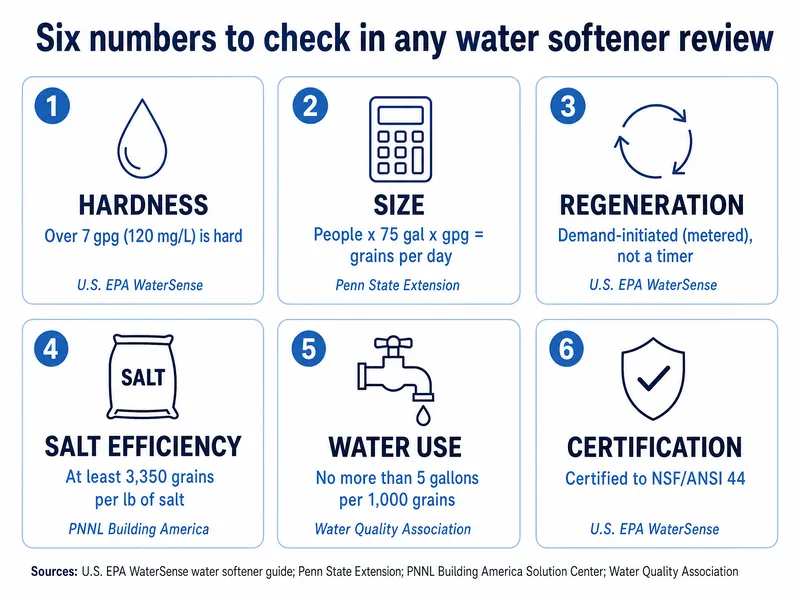
- The EPA's WaterSense softener guide tells buyers to look for NSF/ANSI 44 certification and to avoid timer regeneration.
- Of the reviewed home softeners, only Aquasana's SimplySoft names a system listing to NSF/ANSI 44, through IAPMO.
- An efficiency-rated softener removes at least 3,350 grains of hardness per pound of salt, per PNNL's Building America Solution Center.
- More than 10 million residential softeners are in use in the U.S., according to a 2023 peer-reviewed study published through the NIH.
Each review uses published specs, warranty wording and October 2026 prices, and says who the system suits. For one ranked list, see the best water softeners of 2026.
Which water softener reviews come first, and why?
Reviews of SoftPro and Quality Water Treatment systems come first because the team that runs this site also runs those two stores.
These are made or sold by the team that runs this site, which is why they rank first. See how we rank. Four cover products; the fifth covers Quality Water Treatment as a store.
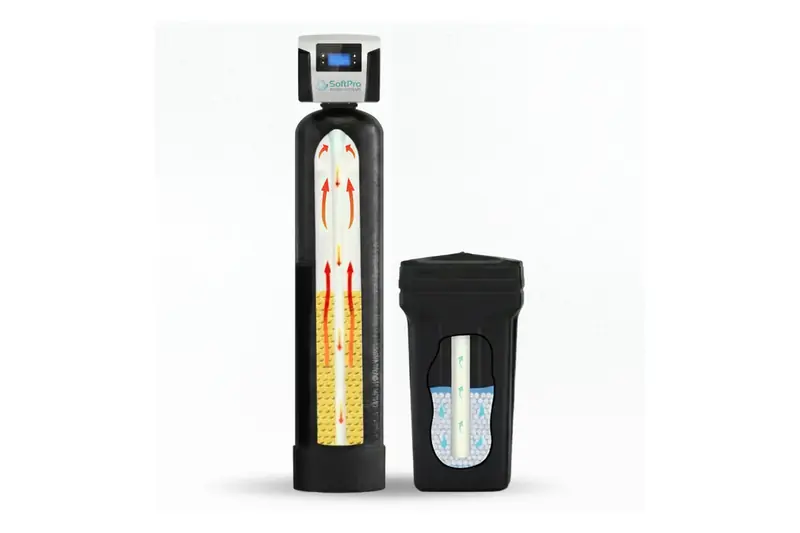 Our brandsSoftPro Elite Smart HE review
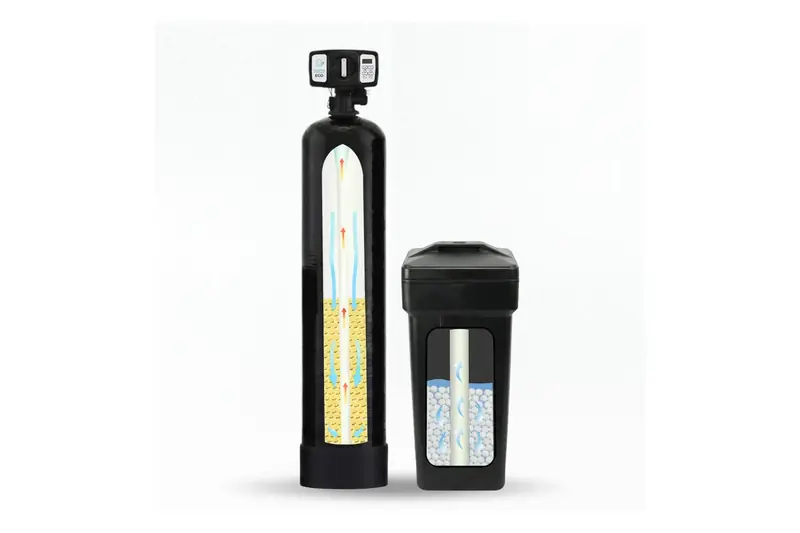 Our brandsSoftPro ECO review
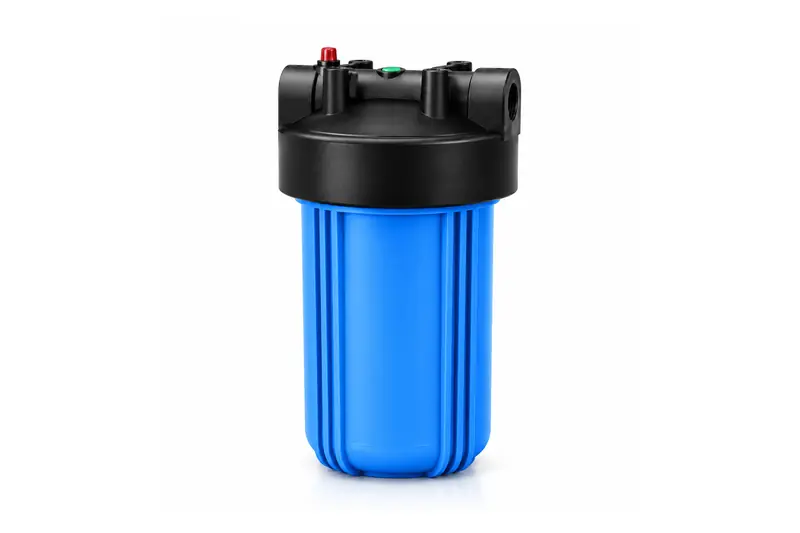 Our brandsSoftPro FORTRESS review
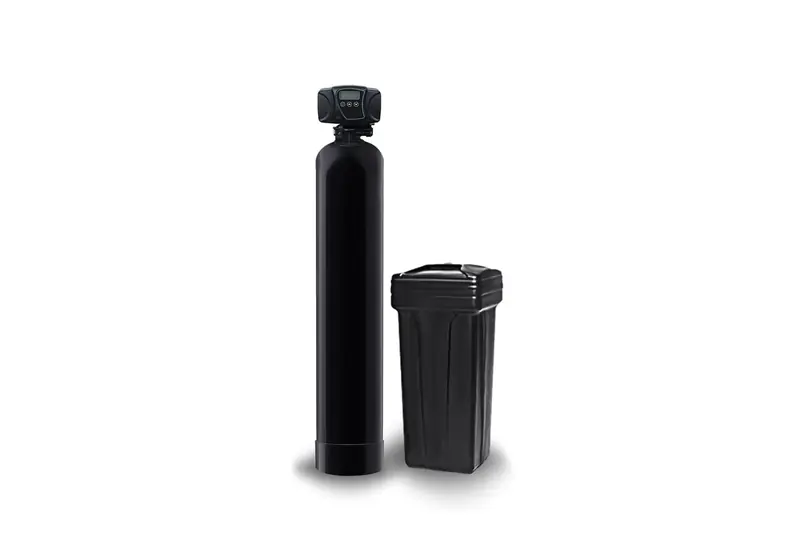 Our brandsFleck 5600SXT review
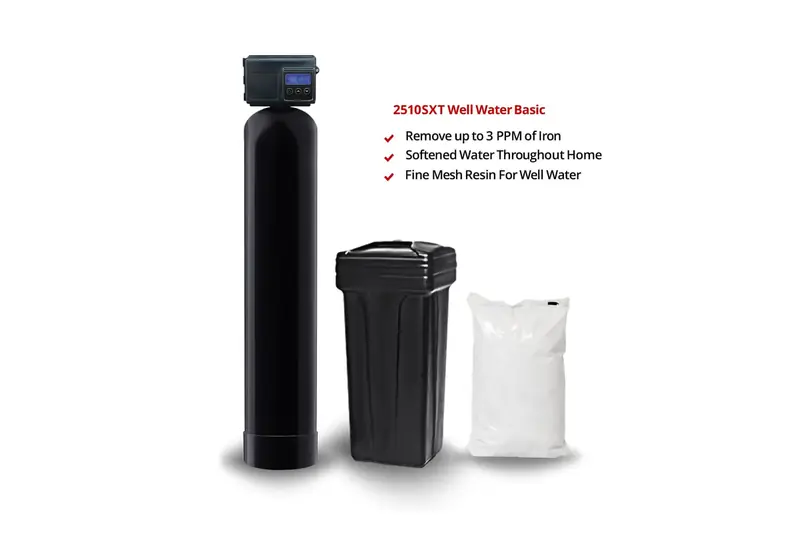 Our brandsQuality Water Treatment review
As of October 2026 the Elite starts at $1,327, the ECO City at $967 and the Fleck 5600SXT at $1,189, the only reviewed unit sold at 24,000 grains. FORTRESS is rated by flow, not grains.
Which other water softener brands did we review?
We reviewed eight competing brands, from big-box cabinet units by GE, Whirlpool, Morton and Rheem to online sellers SpringWell, US Water Systems, Aquasana and Aquasure.
Every competitor fact comes from the maker's own published pages, and each review names at least one genuine strength.
 Other brandsSpringWell review
 Other brandsUS Water Systems review
 Other brandsAquasana review
 Other brandsAquasure review
 Other brandsGE review
 Other brandsWhirlpool review
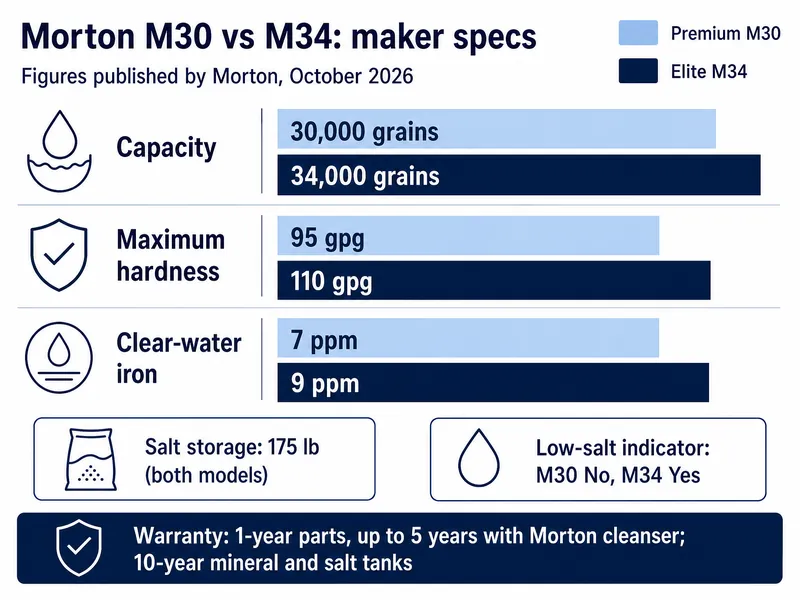 Other brandsMorton review
 Other brandsRheem review
Strengths differ: the WHES40 carries Whirlpool's 125 gpg hardness rating, GE publishes 5,090 grains per pound of salt for the GXSH45W, and US Water Systems prints full Matrixx regeneration tables.
How do the reviewed water softeners compare on paper?
On paper they split three ways: metered salt-based softeners from 24,000 to 80,000 grains, a few all-in-one cabinet units near 32,000 to 45,000 grains, and salt-free conditioners that carry no grain rating.
| System | Sold by | Type | Capacity | Certification as published |
|---|---|---|---|---|
| SoftPro Elite Smart HE | SoftPro | Salt-based, metered | 32k–64k grains | NSF, WQA and ANSI marks, no standard named |
| Fleck 5600SXT | Quality Water Treatment | Salt-based, metered | 24k–64k grains | Not published |
| SoftPro ECO | SoftPro | Salt-based, metered | 32k–64k grains | Not published |
| SoftPro FORTRESS | SoftPro | Salt-free conditioner | 6, 10 or 16 gpm | IAPMO R&T, NSF/ANSI/CAN 61 (materials safety) |
| SpringWell SS | SpringWell | Salt-based | 32k–80k grains | Not published |
| Matrixx | US Water Systems | Salt-based, metered | 35k–70k grains (maximum) | WQA Gold Seal valve; NSF certified resin |
| SimplySoft | Aquasana | Salt-based | 40k or 60k grains | IAPMO, NSF/ANSI 44 and CSA B483.1 |
| Harmony Series | Aquasure | Salt-based, metered | 32k–72k grains | Not published |
| GXSH45W | GE | Salt-based, smart | 45k grains | Not published |
| WHES40 | Whirlpool | Salt-based, demand | 40k grains | Not published |
| Elite M34 | Morton | Salt-based, demand | 34k grains | "NSF Certified", standard not named |
| Preferred RHS32 | Rheem | Salt-based | 32k grains | Not published |
Read the last column slowly: NSF/ANSI 61 covers materials safety, not softening, and a certified valve or resin is not a certified system. For capacity, Penn State multiplies 75 gallons per person per day by gpg, so four people on 10 gpg use about 3,000 grains a day; our sizing guide turns that into a tank size.
What should a water softener review tell you?
A useful review tells you the regeneration method, the published salt and water efficiency, the certification scope and the hardness and iron limits, because those are what the EPA asks buyers to check.
The EPA WaterSense guide treats water above 7 gpg (120 mg/L) as hard, with softening often advised past 10 gpg; the USGS classes anything over 180 mg/L as very hard.
What the reviews measure against
- 7 gpgHardness above which water is generally considered hard (120 mg/L)U.S. EPA WaterSense
- 3,350Minimum grains removed per pound of salt for an efficiency ratingPNNL Building America Solution Center
- 20–70 galTypical water use in one regeneration cycleU.S. EPA WaterSense
- 10 million+Residential water softeners in the U.S.Jankowski et al. 2023 (NIH PMC)
NDSU Extension says some softeners remove up to 10 ppm of iron and manganese; each review gives the maker's own limit, from 3 ppm (GE) to 10 ppm (Whirlpool). Salt-free products are descalers that leave hardness in the water, says Nebraska Extension.
Which head-to-head comparisons can help you choose?
Five comparisons put two systems or two technologies side by side, which helps when the shortlist is already down to a pair.
 CompareSoftPro vs SpringWell
 CompareFleck vs GE
 CompareGE vs Whirlpool
 CompareSalt-based vs salt-free
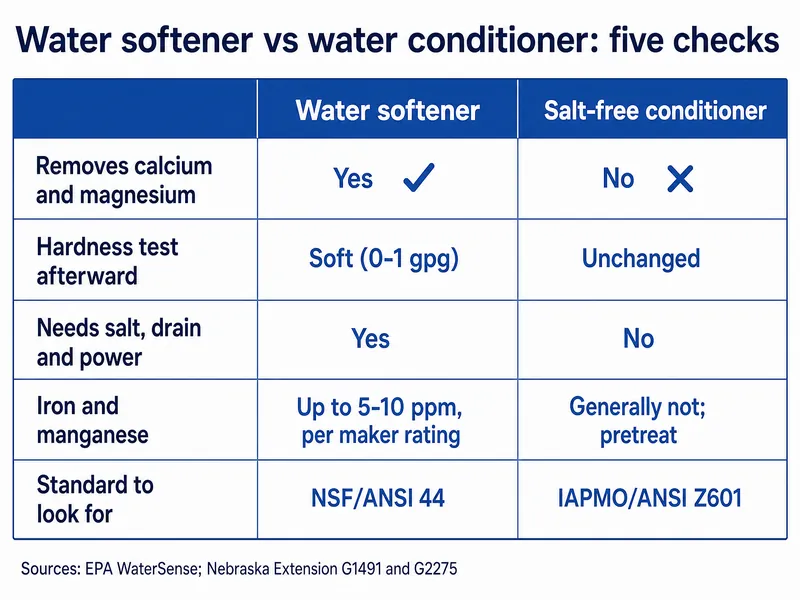 CompareWater softener vs water conditioner
Read the two type comparisons before any brand pair. The EPA notes some local jurisdictions prohibit salt-discharging softeners, and septic owners should check with their septic provider first.
Which reviews cover commercial water softeners?
Eight pages cover commercial systems: two product reviews and six guides on sizing, cost and specific businesses.
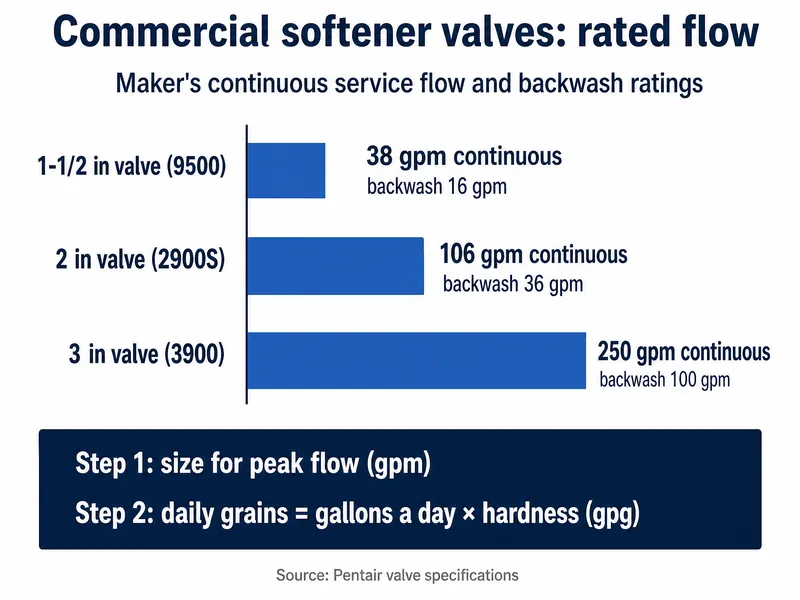
For kitchens, laundries, car washes and other sites that size by peak flow rather than headcount.
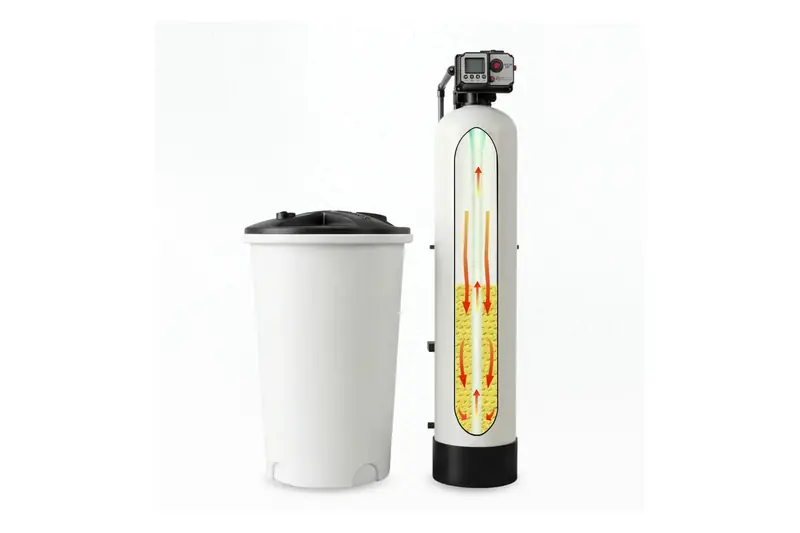 Our brandsSoftPro Pro Series Commercial review
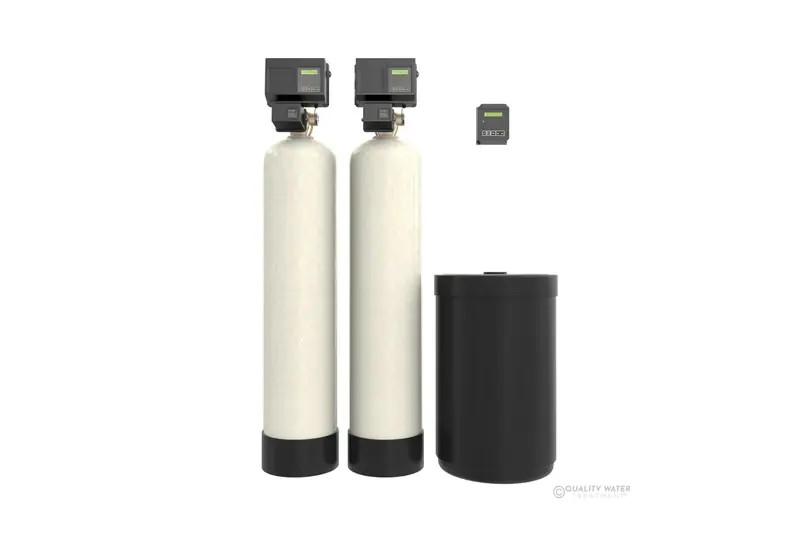 Our brandsPentair Fleck Commercial review
 CommercialCommercial water softeners: buyer's guide
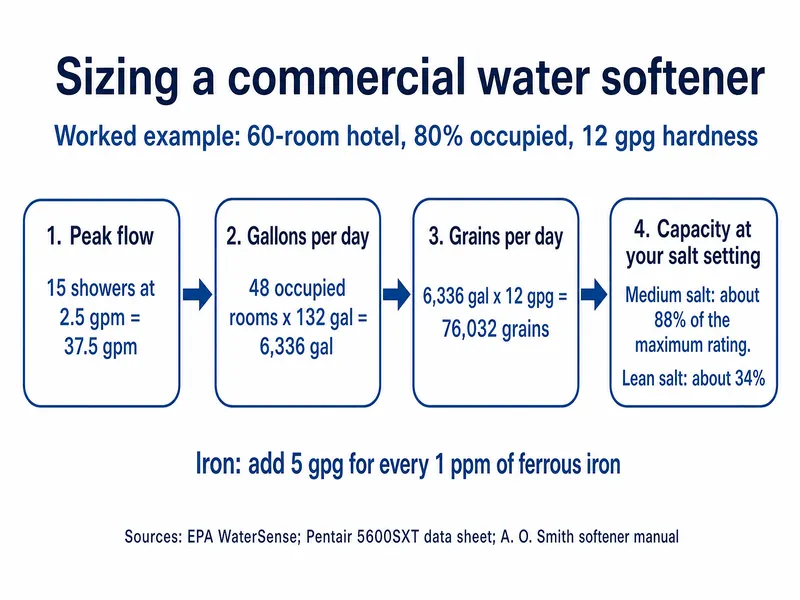 CommercialHow to size a commercial softener
 CommercialCommercial water softener cost
 CommercialSofteners for restaurants and hotels
 CommercialSofteners for car washes and laundromats
 Best picksBest commercial water softeners
Pro Series prices ran from $2,179 (single tank) up to $30,149 (largest quadraplex) in October 2026. The WQA's best-practice booklet asks installers to set softeners for 4,000 grains per pound of salt.
How we put this page together
These reviews are research, not testing: maker and seller product pages, manuals and spec sheets checked in October 2026, with general figures from the EPA WaterSense guide (May 2026), PNNL, USGS, the Penn State, NDSU and Nebraska extension services, the WQA and a 2023 peer-reviewed study. No lab or home trials, no star ratings, no forum posts, and no figure without a primary source behind it.
Common questions
Are these water softener reviews based on lab work?
No. We compare each maker's spec sheets, manuals, warranties and prices with EPA and extension guidance, and write "not published" where a figure is missing.
Why are SoftPro and Quality Water Treatment reviewed first?
One team runs this site and both stores, so their systems are listed ahead of competitors.
Which reviewed home softener has a named NSF/ANSI 44 system listing?
Aquasana's SimplySoft, which Aquasana says carries an IAPMO listing under NSF/ANSI 44 (hardness) plus CSA B483.1. Its data sheet rates the 40,000-grain model at 4,423 grains per pound of salt.
Which reviewed softener is the smallest, and which is the largest?
For homes, the 24,000-grain Fleck 5600SXT is the smallest and SpringWell's 80,000-grain SS+ the largest. SoftPro's commercial quadraplex reaches 270,000.
Do the reviews include salt-free systems?
Yes: SoftPro FORTRESS, Aquasana's Salt-Free Water Conditioner and SpringWell's salt-free line. Compare them with our salt-free picks, not the softener rankings.
How often are prices and specs rechecked?
Prices, sizes and warranty wording were last checked in October 2026. Confirm the current price on the product page before buying.